반응형
Optimizing memory and cache systems in collaboration with System on Chip (SoC) manufacturers based on ARM architecture involves a combination of hardware and software considerations. Here's a high-level overview of steps you can take:
- Understanding Workloads: Begin by thoroughly understanding the workloads that will run on the SoC. Different applications have varying memory access patterns, which impact cache utilization and memory performance. Real-world usage scenarios should guide your optimization efforts.
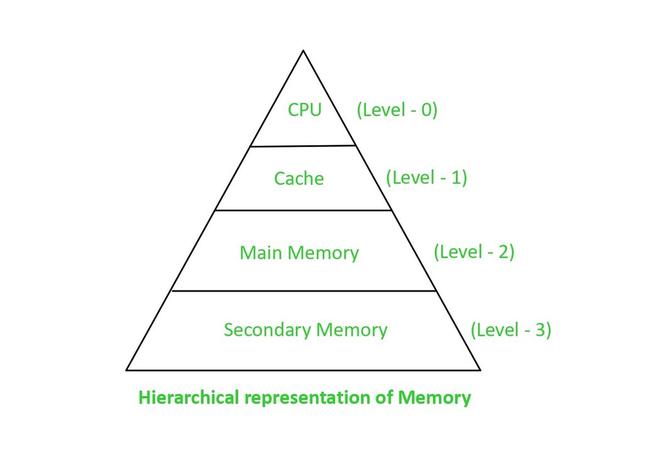
- Cache Hierarchy Design: ARM-based SoCs typically have multiple levels of cache hierarchy, including L1, L2, and sometimes L3 caches. Optimize the size, associativity, and replacement policies of these caches based on the expected workload characteristics. Larger caches can improve hit rates for frequently accessed data, while smaller, faster caches can reduce latency for critical operations.

Math of Access Times for Multilevel Cache( Optimizing Cache Memory Performance (And the Math Behind It All) (aberdeen.com) ) - Memory Controller Configuration: Work closely with SoC manufacturers to configure the memory controller for optimal performance. This includes parameters such as memory frequency, timings, and interleaving. Adjustments to these settings can have a significant impact on memory bandwidth and latency.
- Cache Coherency: Ensure proper cache coherency protocols are implemented, especially in multi-core or multi-cluster SoCs. Coherency mechanisms such as MESI (Modified, Exclusive, Shared, Invalid) ensure that cached copies of data remain consistent across different processing elements.
- Memory Compression and Prefetching: Explore techniques like memory compression and prefetching to improve memory bandwidth utilization and reduce latency. Compression techniques can reduce the amount of data transferred between the memory subsystem and caches, while prefetching can anticipate memory access patterns to fetch data proactively.
- Software Optimization: Work with software developers to optimize applications for the target architecture. Techniques such as cache blocking, loop unrolling, and data alignment can improve cache utilization and overall performance.
- Performance Analysis and Tuning: Use performance analysis tools to identify bottlenecks and hotspots in memory and cache subsystems. Tools like ARM Performance Monitoring Units (PMU) can provide insights into cache hit/miss rates, memory bandwidth, and other performance metrics.
- Power Management: Consider power management techniques such as dynamic voltage and frequency scaling (DVFS) to optimize power consumption without sacrificing performance. Adjusting cache sizes and operating frequencies dynamically based on workload requirements can help achieve a balance between performance and power efficiency.
- Validation and Testing: Thoroughly validate and test the optimized memory and cache configurations across a range of workloads and use cases. Use simulation, emulation, and real-world testing to ensure stability, reliability, and performance across different scenarios.
- Documentation and Knowledge Sharing: Document the optimization strategies, configurations, and best practices for memory and cache subsystems. Share this knowledge with the SoC manufacturers, software developers, and the broader ARM ecosystem to foster collaboration and continuous improvement.
By following these steps and collaborating closely with SoC manufacturers, you can optimize memory and cache systems for ARM-based platforms, resulting in improved performance, efficiency, and user experience.
반응형
'IT' 카테고리의 다른 글
| Cache Hierarchy Design (0) | 2024.04.20 |
|---|---|
| Understanding Workloads by memory access patterns, cache utilization and memory performance (0) | 2024.04.20 |
| Event-based image sensing (EBIS) 기술 (1) | 2024.04.14 |
| CMOS 이미지 센서의 BSI (Backside-illuminated) 기술 (1) | 2024.04.14 |
| CMOS 이미지 센서의 3D Stacking (1) | 2024.04.14 |